Rotation Axis Design
When designing high-speed rotary axes with a main spindle function, the entire table must be considered in relation to the axis of rotation. AXRY-NGS (NGS-SBI) bearings are guided in rotation via the radial raceway, which thus forms the axis of rotation of the system. The eccentricity of all mounted parts should be kept as low as possible around this axis of rotation, both to ensure low radial runout and to avoid vibrations during operation.
Recommended: Positive-Locking Centred Connecting Parts
Positive-locking centring of the connecting parts, such as the rotor on direct drives, substantially reduces this problem.
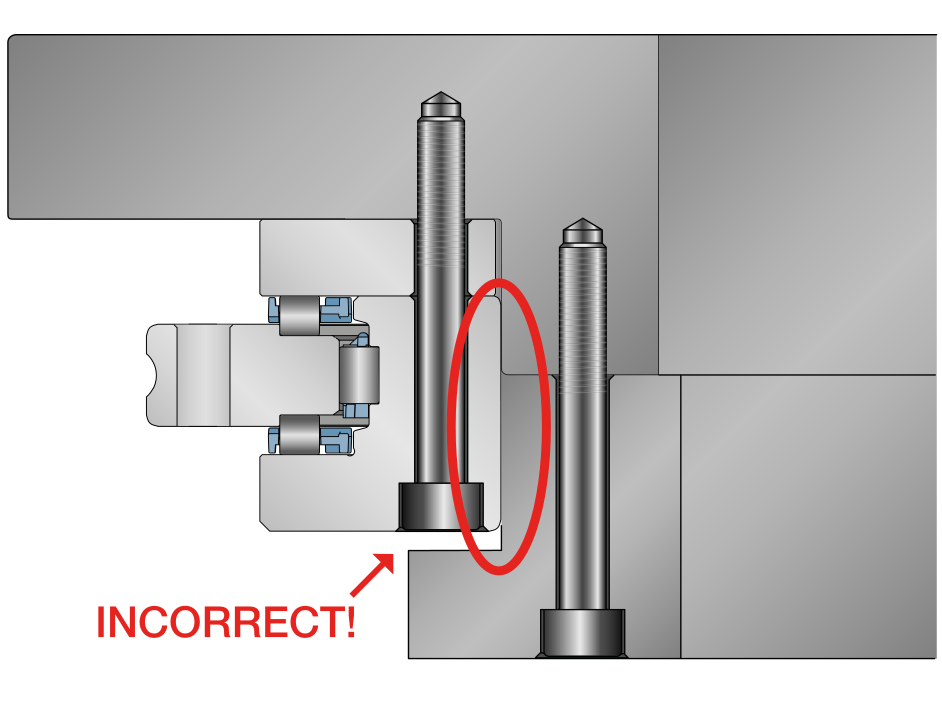
Avoid: Multiple Centring via the Bearing Bore
Form-fit multiple centring via the bearing bore should be avoided, as this can distort the bearing and lead to increased friction torques.
Bearing Preload
After assembly and complete bolting, the bearings are play-free and preloaded in both the radial and axial directions.
Temperature Differences
The temperature difference between the shaft and the housing influences the preload in the radial part of the bearing, and must therefore be considered in the design for all operating conditions. The temperature difference is application-specific and can only be simulated on test benches to a certain extent.
Effects of a Higher Shaft Temperature
- The preload in the radial part increases, leading to higher friction and surface pressure in the bearing
- Reduced bearing service life
Effects of a Higher Housing Temperature
- The preload in the radial part is reduced, and the radial rigidity is also reduced
- Any bearing backlash causes wear through slip (Schlupf) and loud noises
If the temperature difference is known across all operating conditions, the radial preload can be adapted at the factory (customer-specific suffix Jxxxx).
Cooling Design
An efficient cooling system makes it possible to maintain an operating temperature with fewer fluctuations. At high speeds and long duty cycles, controlled cooling of the stationary and rotating components is strongly recommended to limit the temperature difference between the bearing inner and outer rings.
Separately controllable cooling of the inner and outer rings is generally helpful. To specify the cooling system, please contact sales@eb-system.com.
Use the sensor hole provided in the bearing to monitor the operating temperature.
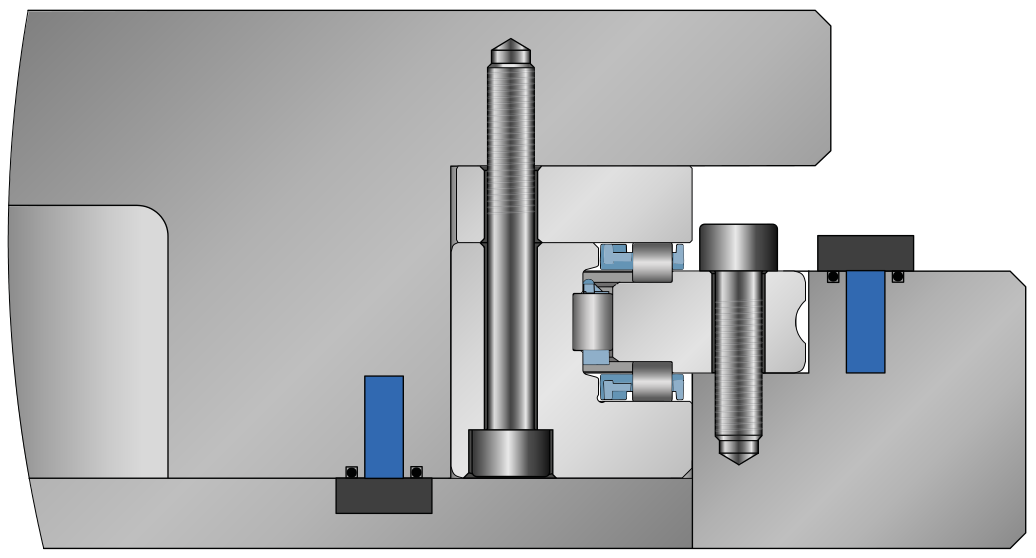
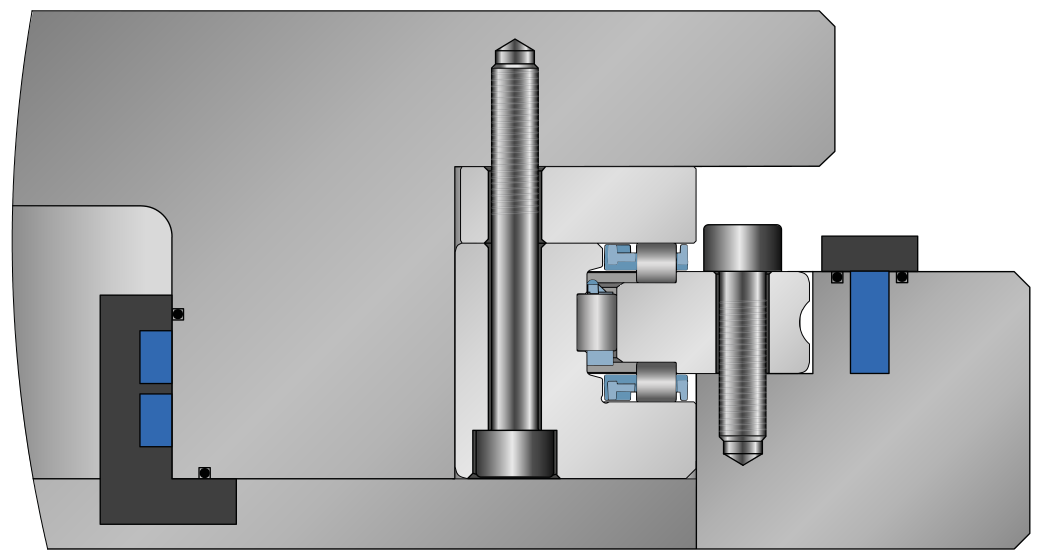
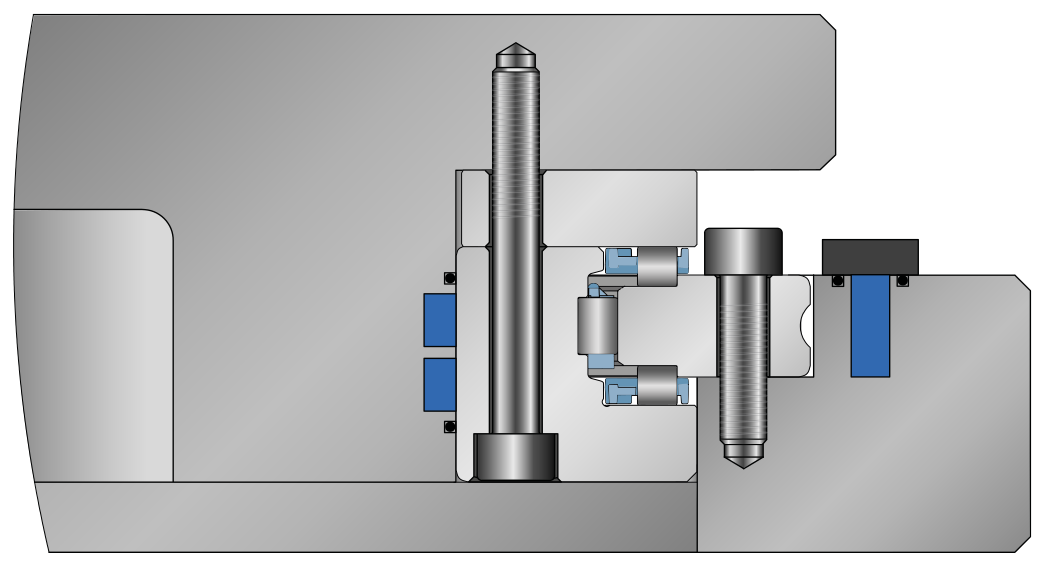
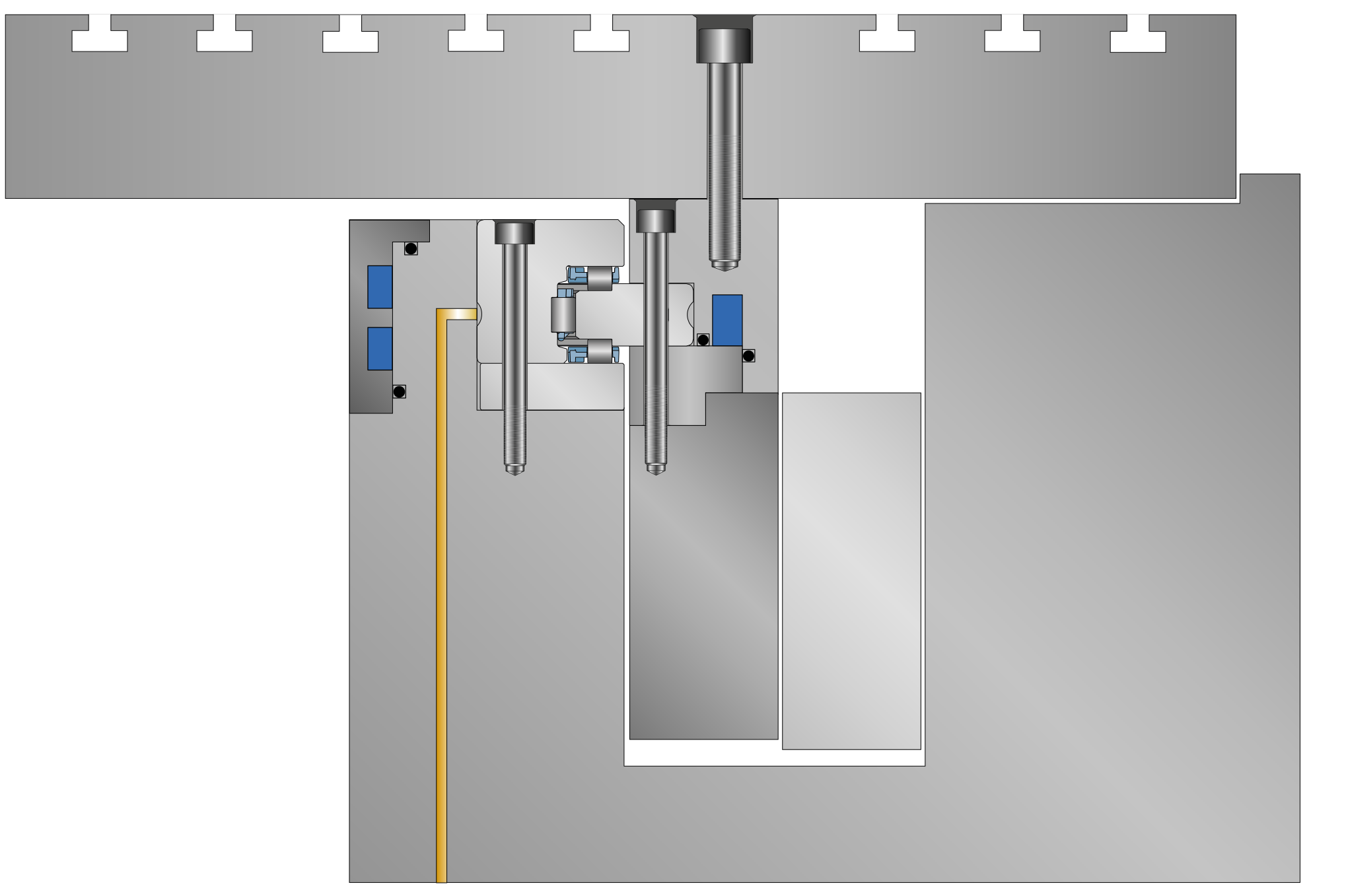
Inner Ring Rotating Cooling
For NGS bearings with a rotating inner ring, the following three cooling configurations are officially provided:
Outer Ring Rotating Cooling (NGS-SBI)
For NGS-SBI bearings with a rotating outer ring, the following cooling configuration is officially provided:
Unbalance / Eccentric Load
Eccentric components generate high additional forces on the bearing, which can result in high vibrations, especially with high-speed axes. Eccentrically applied operating loads have a similar effect.
Recommended Measures
- Use automatic unbalance correction systems
- Limit the residual unbalance of the workpiece to avoid premature bearing failures
Related Sections
- Surrounding Structure Design - Detailed design requirements and tolerances
- Shaft Fit Recommendations - Shaft fit tolerance selection
- Housing Fit Recommendations - Housing fit tolerance selection
- Bearing Commissioning - Break-in and verification procedures