Mineral Casting Material Properties
Mineral casting is a composite material composed of natural mineral aggregates and epoxy resin binder, manufactured using a cold casting process. Compared to steel, gray cast iron, or iron castings, it offers several unique advantages.
Material Advantages
- Excellent damping characteristics
- Low thermal conductivity
- Chemically inert
- Cold casting process
- Low shrinkage rate
- High design freedom
- Integration of multiple mechanical parts
- No waste disposal issues
Design Considerations
- Elastic modulus lower than cast iron
- Requires precision molds
- More sensitive to impact
Material Composition
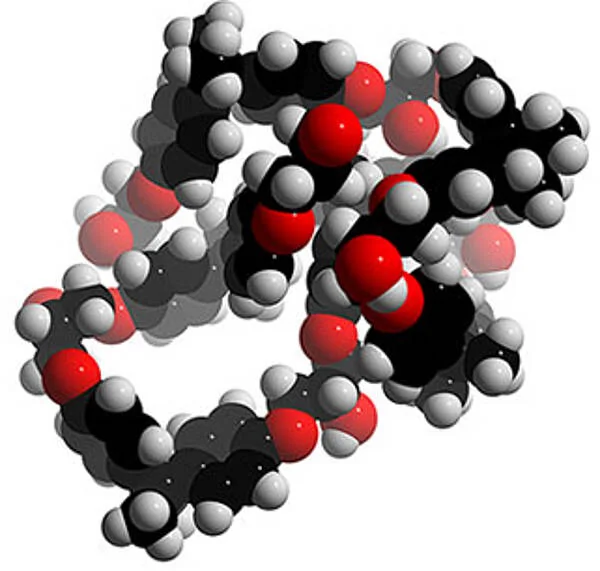
Binder
Primarily uses epoxy resin as binder, providing excellent mechanical properties and chemical stability. The chemical reaction between binder and filler occurs at room temperature (cold casting process). Epoxy-based castings are not suitable for operating temperatures above 80°C.
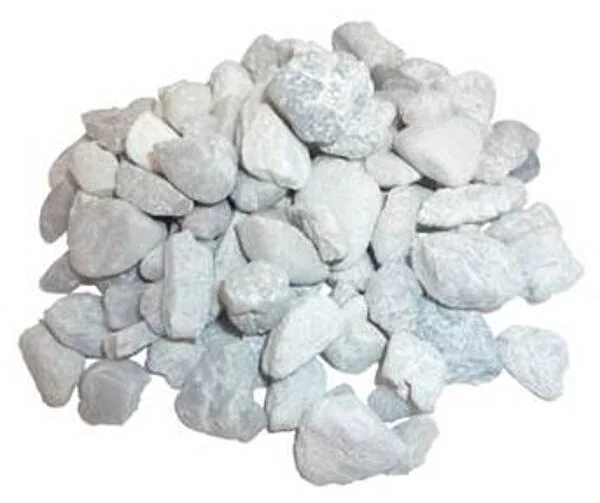
Filler
Uses high-purity natural quartz rock as filler in various particle size grades. The filler characteristics determine the main properties of the mineral casting, including density, tensile strength, compressive strength, elastic modulus, thermal expansion coefficient, and thermal conductivity.
Standard Mineral Casting Material
Mineral casting material is primarily composed of epoxy resin and quartz aggregate, a homogeneous material manufactured using cold casting process that is durable, non-corrosive, chemically inert, and resistant to most chemicals.
Material Property Parameters
Source: SCHNEEBERGER Mineral Casting Technology
Material Properties and Design Considerations
Elastic Modulus, Density and Strength
The elastic modulus, density, tensile/compressive strength of mineral casting differs significantly from steel and cast iron. Design considerations include:
- Increase wall thickness, calculate deformation, optimize structural stiffness
- Adjust self-weight, calculate modal and frequency, optimize dynamic performance
- Large difference between tensile and compressive strength requires proper design of load direction
Thermal Expansion Coefficient
The thermal expansion coefficient of mineral casting (11.5 - 14×10⁻⁶ K⁻¹) is similar to steel (~12×10⁻⁶ K⁻¹), meaning:
- Contact engagement with steel embedded parts is not affected by thermal forces
- Steel guide rail mounting surfaces maintain good fit accuracy
Thermal Conductivity
Mineral casting has low thermal conductivity (1 - 3 W/m·K), providing these advantages:
- Short-term temperature changes have minimal effect on the structure
- Provides good thermal stability, reduces thermal deformation
- Long aging time, stable long-term precision
Linear Shrinkage
Mineral casting uses cold casting process with excellent shrinkage characteristics:
- Cold casting process, virtually no thermal effects
- Small shrinkage after curing (~0.3‰), ensures basic accuracy
- Only very large castings require thermal compensation during pouring
Millable Layer Material: FS80
FS80 is a specially formulated mineral casting material that can be processed using conventional milling. After pre-casting in the mold, the surface can be milled similar to nylon, with lower cost and no special casting tooling required.
FS80 Features
- Conventional milling process
- Lower cost
- No special casting tooling required
- Nylon-like milling characteristics
SCHQ Series Material Comparison
SCHNEEBERGER offers various quartz-based mineral casting mixtures for different application requirements. All data measured at 20°C.
| Property | SCHQ10 | SCHQ30 | SCHQ40 | SCHQ50 | SCHQ100 |
|---|---|---|---|---|---|
| Density (kg/dm³) | 2.3 | 2.30 | 2.20 | 2.20 | 1.7 |
| Elastic Modulus (kN/mm²) | 42 (38-45) | 40 (35-40) | 33 | 30 (27-32) | 11 (8-13) |
| Compressive Strength (N/mm²) | 110 (>80) | 110 (>80) | 110 (>80) | 110 (>80) | 110 (>100) |
| Tensile Strength (N/mm²) | 13 (>10) | 15 (>12) | 16 (>12) | 17 (>13) | — |
| Poisson's Ratio | 0.2 | 0.2 | 0.2 | 0.2 | 0.3 |
| Damping Ratio | 0.3% | 0.4% | 0.5% | 0.6% | 0.8% |
| Thermal Expansion (10⁻⁶/K) | 16 | 19 | 19 | 19 | 35 |
| Thermal Conductivity (W/m·K) | 3 | 3 | 3 | 3 | 1 |
| Specific Heat (kJ/kg·K) | 0.9 | 0.9 | 0.9 | 0.9 | 1.0 |
| Linear Shrinkage (mm/m) | 0.3 | 0.3 | 0.3 | 0.3 | — |
| Minimum Wall Thickness (mm) | 80 | 60 | 40 | 20 | 5-10 |
| Max. Aggregate Size (mm) | 16 | 12 | 8 | 4 | — |
Source: SCHNEEBERGER Technical Data Sheets 542 400 056-060
techcon® Ultra-High Performance Concrete
techcon® is an ultra-high performance concrete with high quartz content, produced using cold casting process. An economical alternative to standard mineral casting, suitable for cost-sensitive applications requiring mineral casting advantages.
| Property | Value | Unit |
|---|---|---|
| Density | 2.3 - 2.4 | kg/dm³ |
| Elastic Modulus | 48 | kN/mm² |
| Compressive Strength | 130 - 140 | N/mm² |
| Tensile Strength | 4 - 6 | N/mm² |
| Thermal Expansion | 12×10⁻⁶ | K⁻¹ |
| Thermal Conductivity | 2 - 4 | W/(m·K) |
| Linear Shrinkage | 0.7 | mm/m |
| Minimum Wall Thickness | 40 | mm |
| Max. Aggregate Size | 4 | mm |
Source: SCHNEEBERGER Technical Data Sheet 542 400 970
Material Selection Guide
SCHQ10
General High Stiffness
Suitable for machine parts with high stiffness requirements that are easy to refill. Also suitable for filling welded steel structures, gray cast iron, and other parts.
SCHQ30
Medium Wall Thickness
Same applications as SCHQ10 but allows thinner wall designs.
SCHQ40
Thin Wall Design
Suitable for thin-wall machine parts such as brackets and frames. Excellent damping characteristics.
SCHQ50
Ultra-Thin Wall Design
Suitable for ultra-thin wall machine parts using small casting methods.
SCHQ100
Precision Surface Coating
Precision casting mixture for sealing cast surfaces, suitable for outer layer coating applications.
FS80
Millable Layer Material
Specially formulated for conventional milling, lower cost without special casting tooling.
techcon®
Economical Alternative
Ultra-high performance concrete, suitable for cost-sensitive applications. Highest compressive strength and stiffness.
Vibration Damping Characteristics
Vibration damping is one of the most significant advantages of mineral casting, directly affecting machining accuracy and speed.
Practical Benefits: Up to 10x vibration damping means higher machining speeds, better surface quality, and longer tool life.
Material Certification
Material properties compiled by SCHNEEBERGER in cooperation with inspire AG and research institutions at ETH Zurich, tested by authorized laboratories.
Disclaimer: Material recommendations are based on years of experience and current knowledge. Suitability testing is the customer's responsibility; supplier assumes no related liability.